Dachau Memorial Tour from Munich
A comprehensive, historically grounded visit, guided with sensitivity and respect.
Officially Authorized Dachau Memorial Site Guides • 15+ Years Experience • Native English-Speaking • Early Start
TOUR AT A GLANCE
What’s included
Expert guide authorized by Dachau Memorial Site
All public transport costs
(Munich → Dachau → Munich)Native English-speaking guide
Survivor stories shared with care
Early start to avoid crowds
Not included
Food, drinks, or personal purchases
Helpful details
WHAT SETS OUR DACHAU TOUR APART
Official Authorization & Ethical Standards
Led by officially authorised guides and conducted in accordance with the educational and ethical framework of the Dachau Memorial Site.
Specialists in Dachau & Third Reich History
Guides with over 15 years focused on studying and guiding at Dachau and related sites.
Testimony Presented With Care
Survivor testimony and victims' experiences are respectfully woven into the tour within their historical context.
Calm, Structured Experience
Early start designed to avoid rush and overcrowding, allowing space for reflection and understanding.
BOOK YOUR TOUR
THE HISTORICAL SIGNIFICANCE OF DACHAU
Established in March 1933, Dachau was the first permanent concentration camp created by the National Socialist regime. Initially used to imprison political opponents, it soon became a model for a wider system of repression that spread across Germany and later throughout occupied Europe.
Dachau was not only a place of imprisonment; it also became a training ground for members of the SS and a template for other camps. Many of the methods, routines, and hierarchies developed here were later replicated elsewhere.
Over time, Dachau — the longest-running concentration camp of the Nazi regime — expanded in both function and scope.
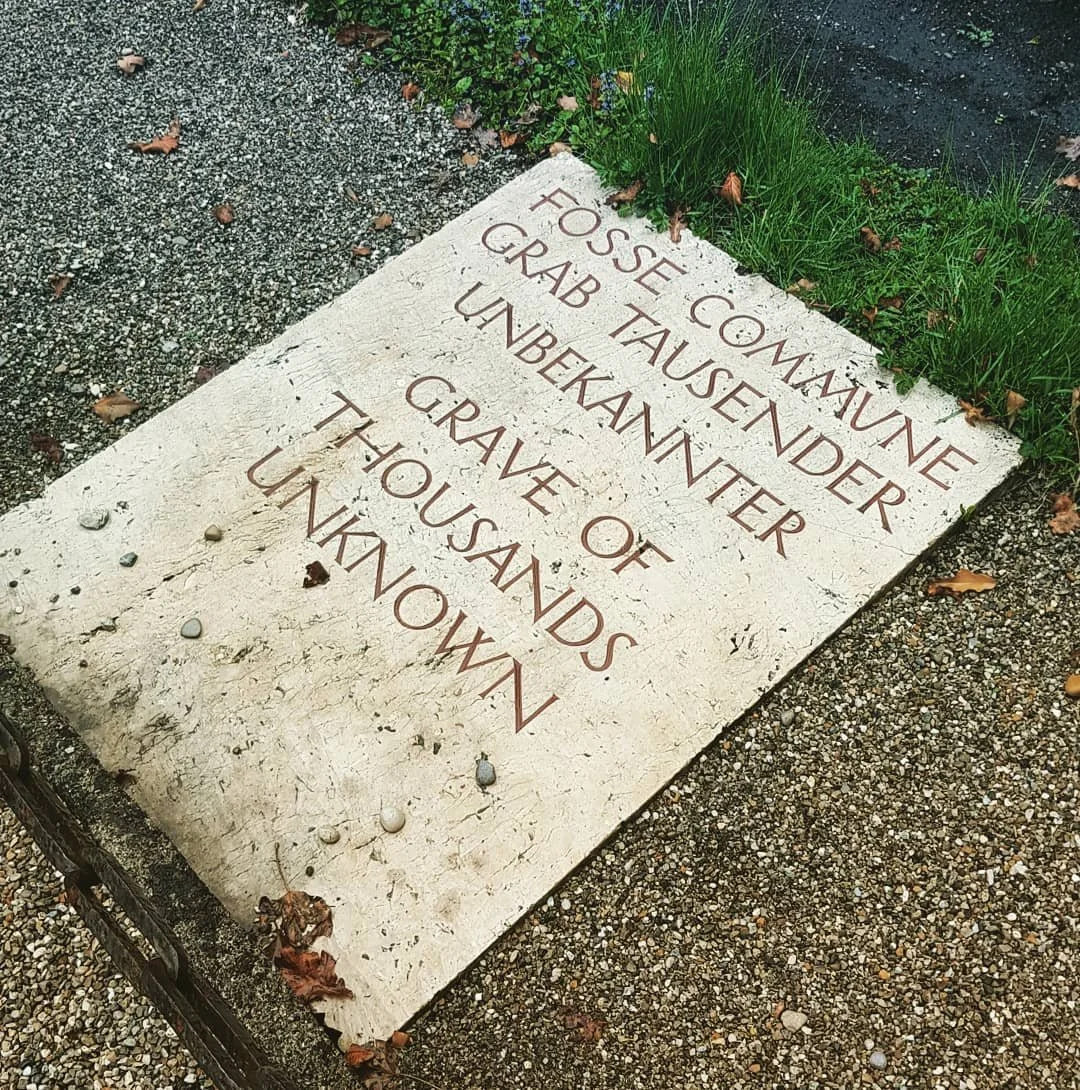
What began as a site for political detainees came to include Jews, clergy, Sinti and Roma, people persecuted for their sexual orientation, Jehovah’s Witnesses, and many others deemed enemies of the regime. By the end of the war, more than 200,000 people had been imprisoned in Dachau and its subcamps.
Understanding Dachau requires placing it within the broader historical context of Munich in 1933, where National Socialism first consolidated power. On this guided tour, the memorial site is approached not as an isolated location, but as part of a wider process that reshaped Germany and Europe.
Today, Dachau stands as a place of remembrance and education — not separate from history, but as a lasting reminder of the consequences of that period.
TOUR ROUTE & KEY STOPS
This guided visit follows the historical progression of the Dachau Concentration Camp: from its creation to its function within the Nazi camp system, and how the site is preserved and commemorated today.
Stage 1: Journey from Munich to Dachau
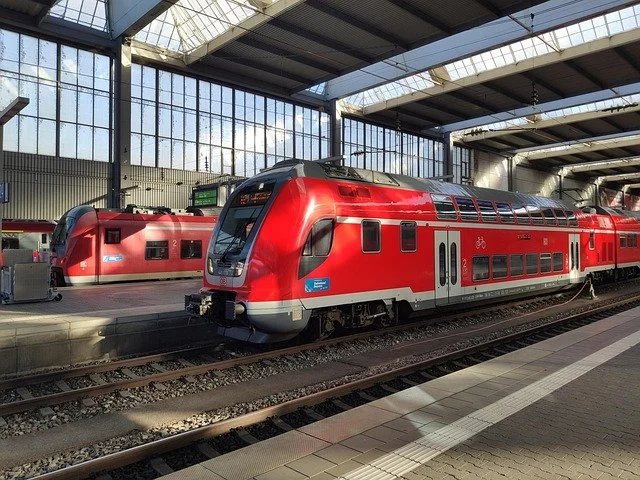
We begin in Munich and travel together by train to Dachau. Your guide introduces the day and prepares you for the visit before the in-depth guided tour at the Memorial Site.
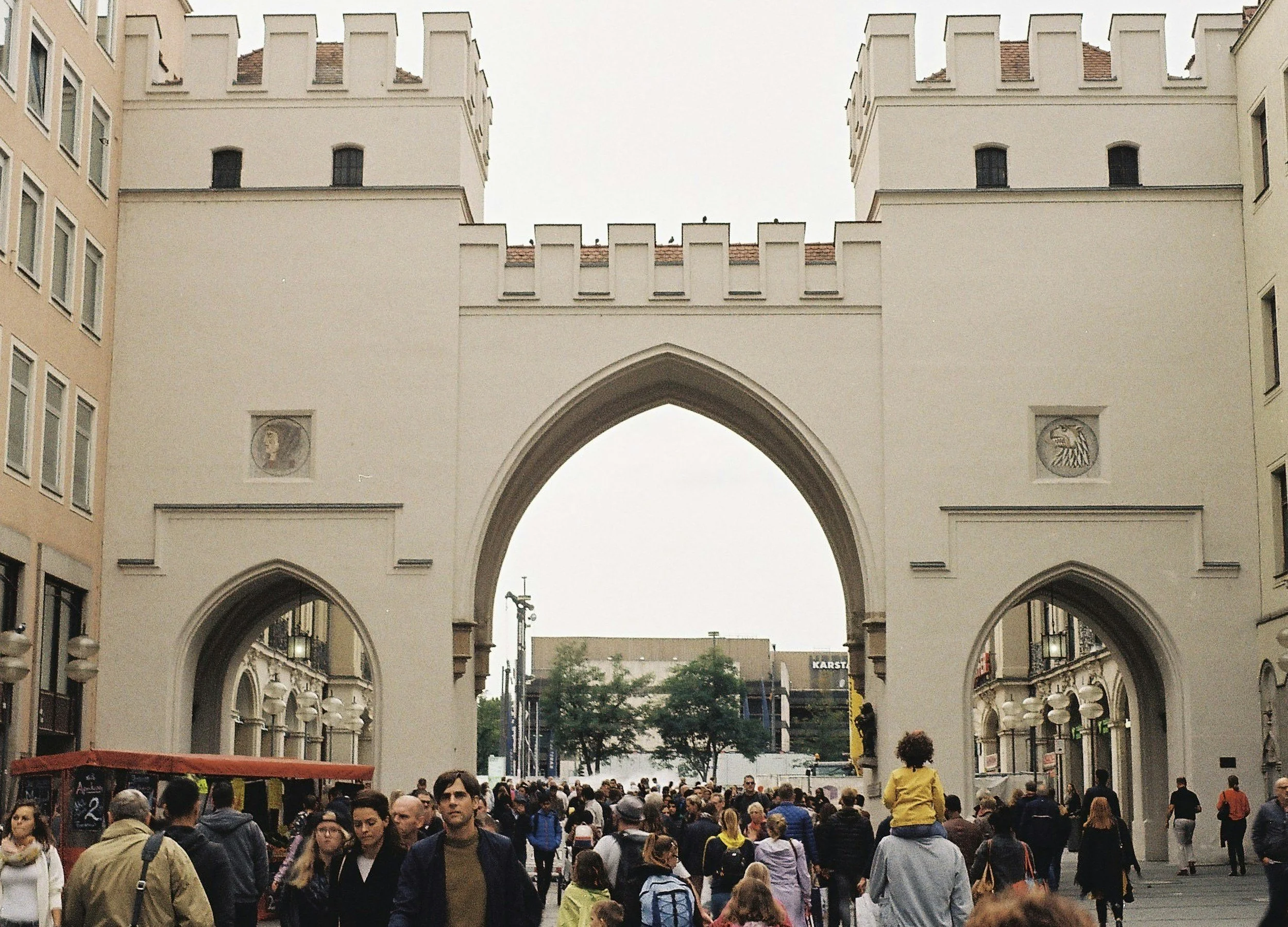
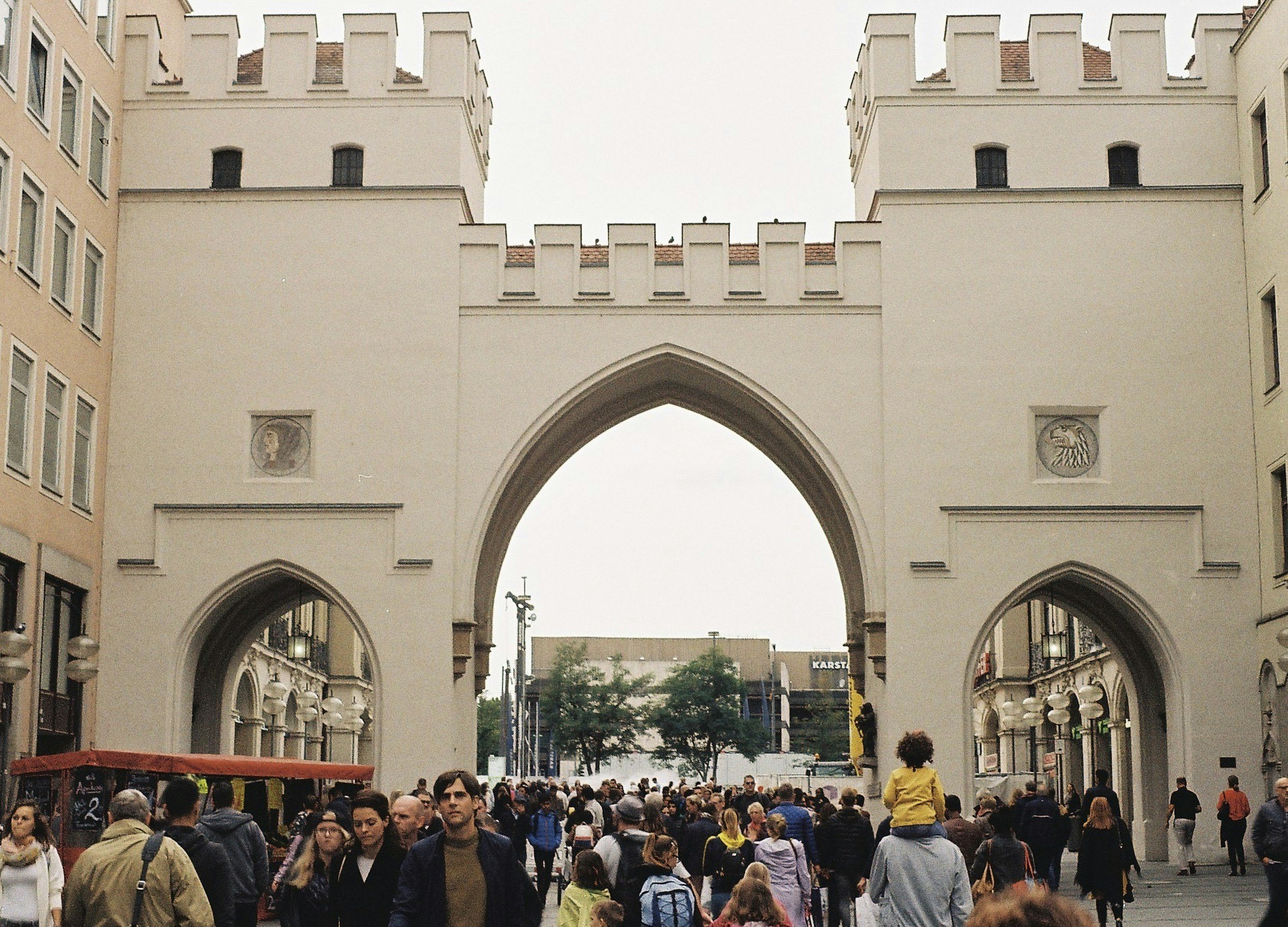
Karlsplatz (Stachus)
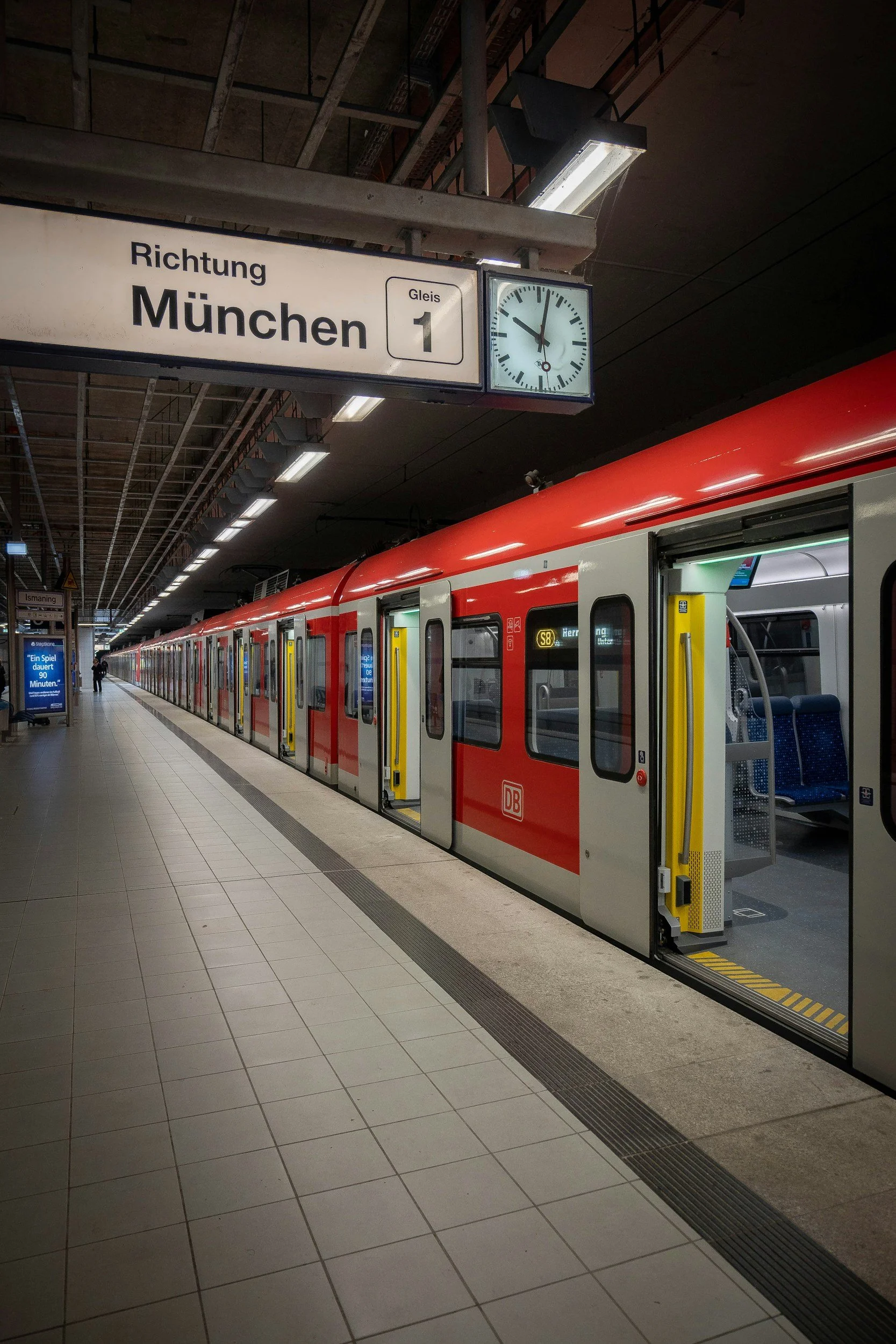
Train journey to Dachau
Stage 2: Orientation & Historical Context
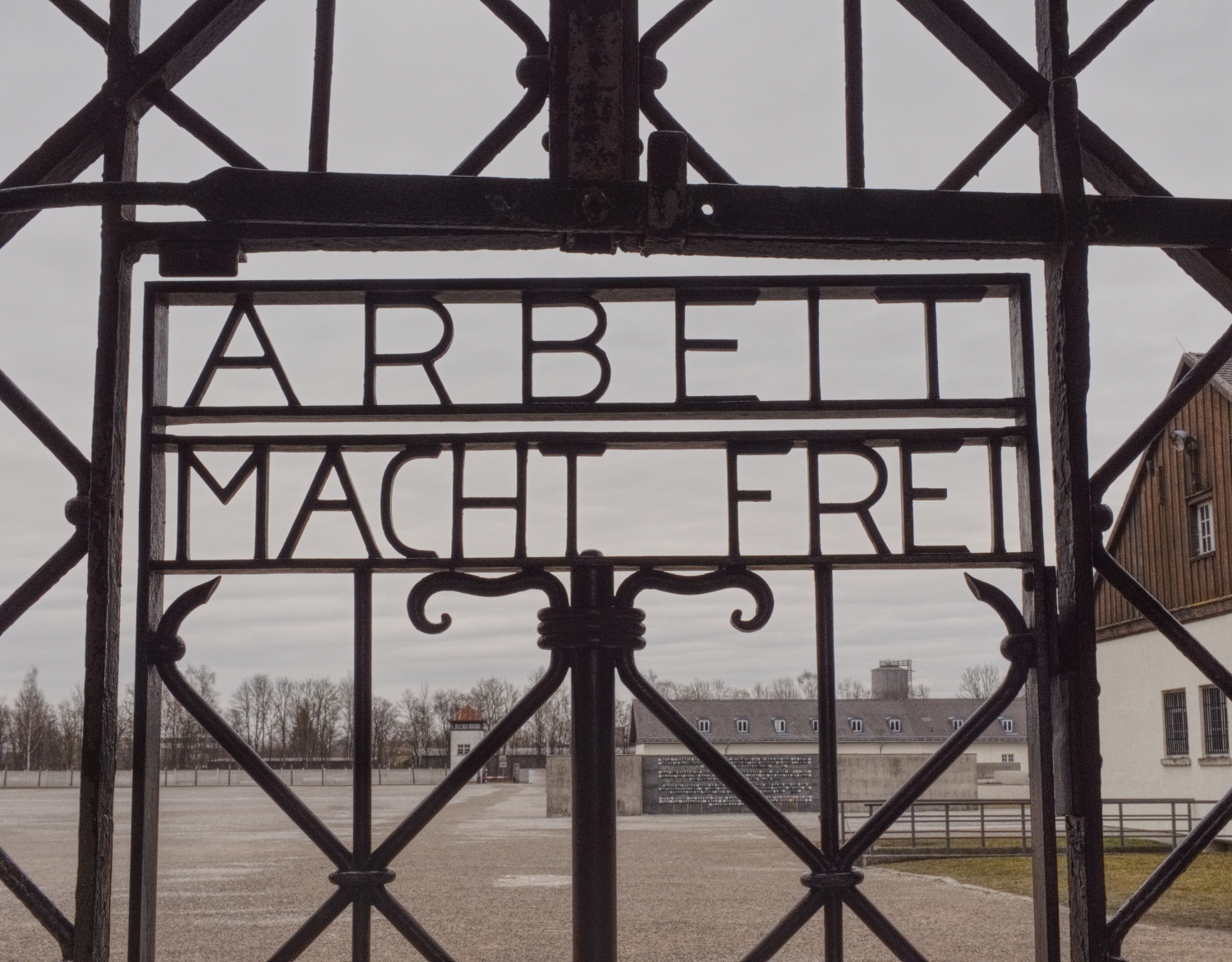
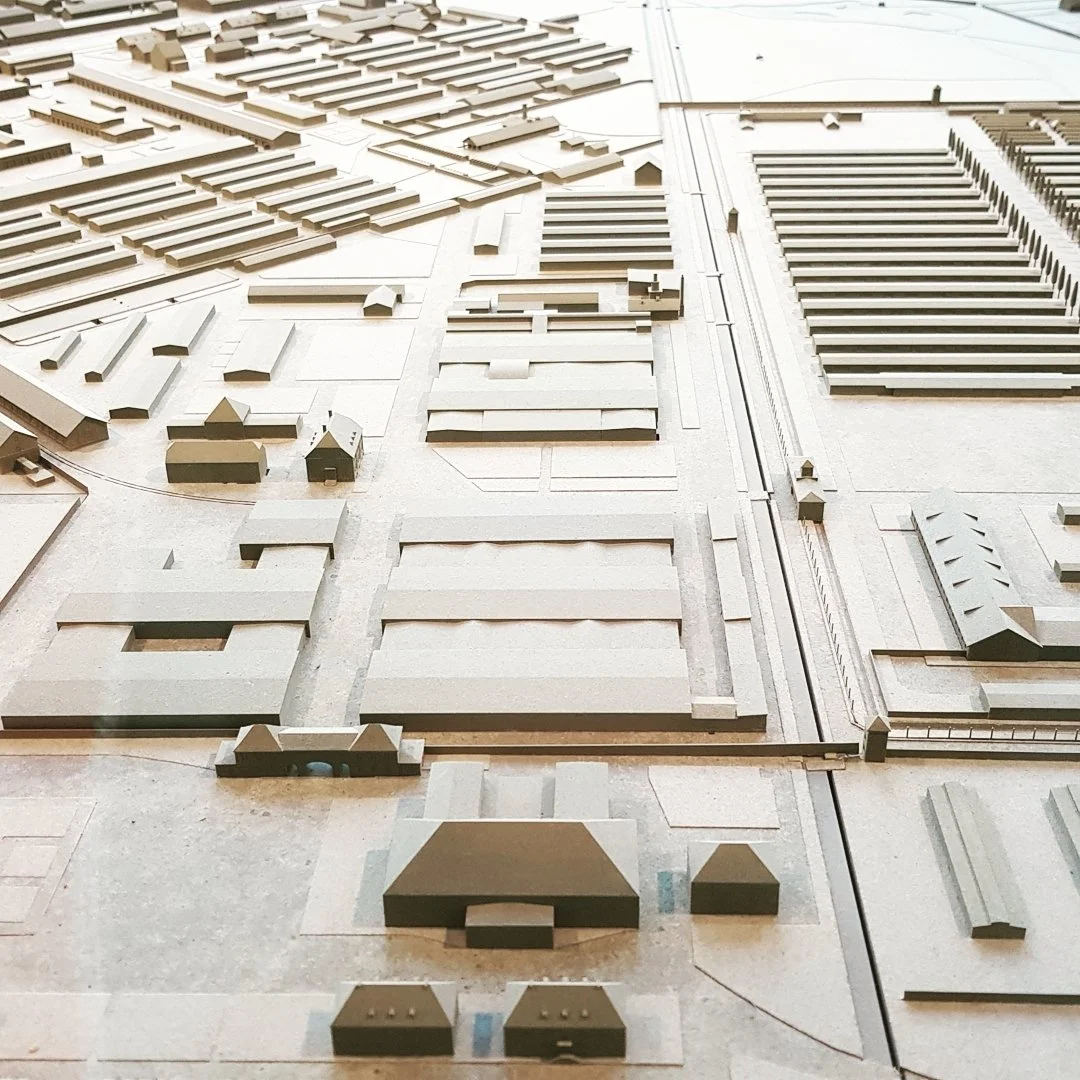
Upon arrival, we enter the memorial site and begin with an introduction to the camp’s history, structure, and purpose.
Memorial Site Entrance
Exhibition & Visitor Center
Stage 3: The Camp Grounds
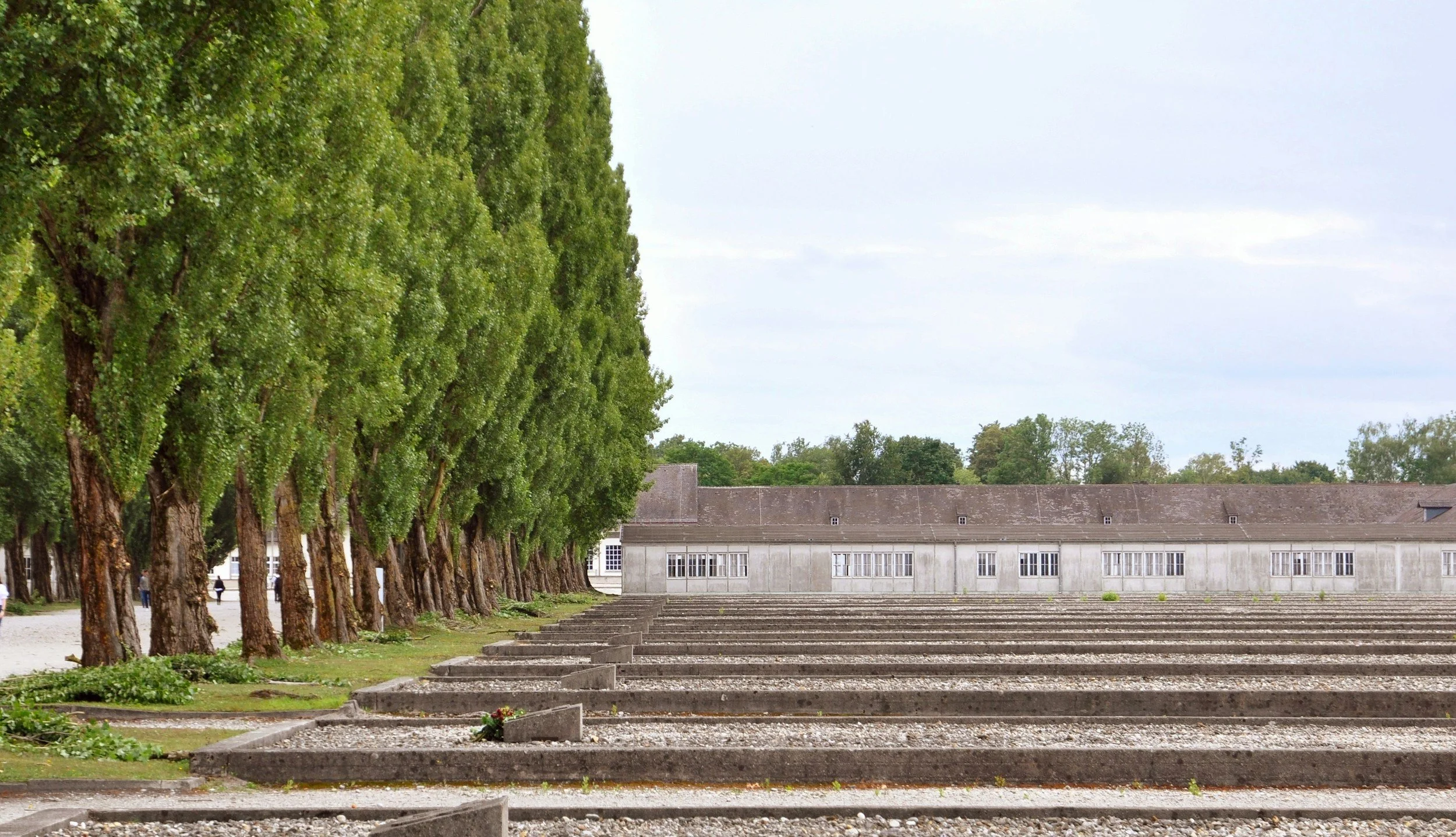
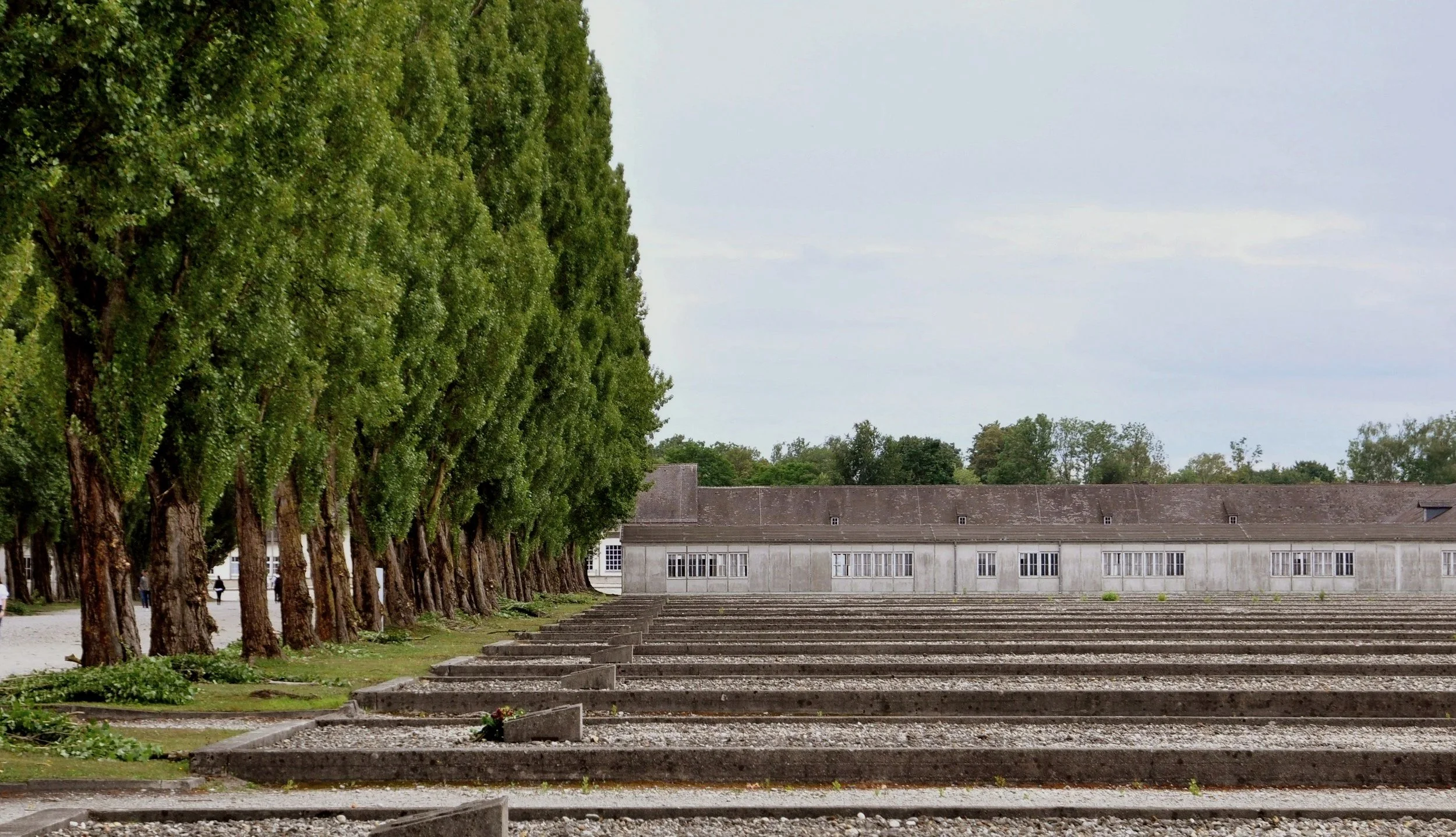
The main part of the visit is a comprehensive guided walk through the camp grounds, following the path prisoners were forced to take and examining how the camp functioned day to day.
Barracks
Roll Call Square (Appellplatz)
Punishment cells
Execution area
Crematorium
International memorial
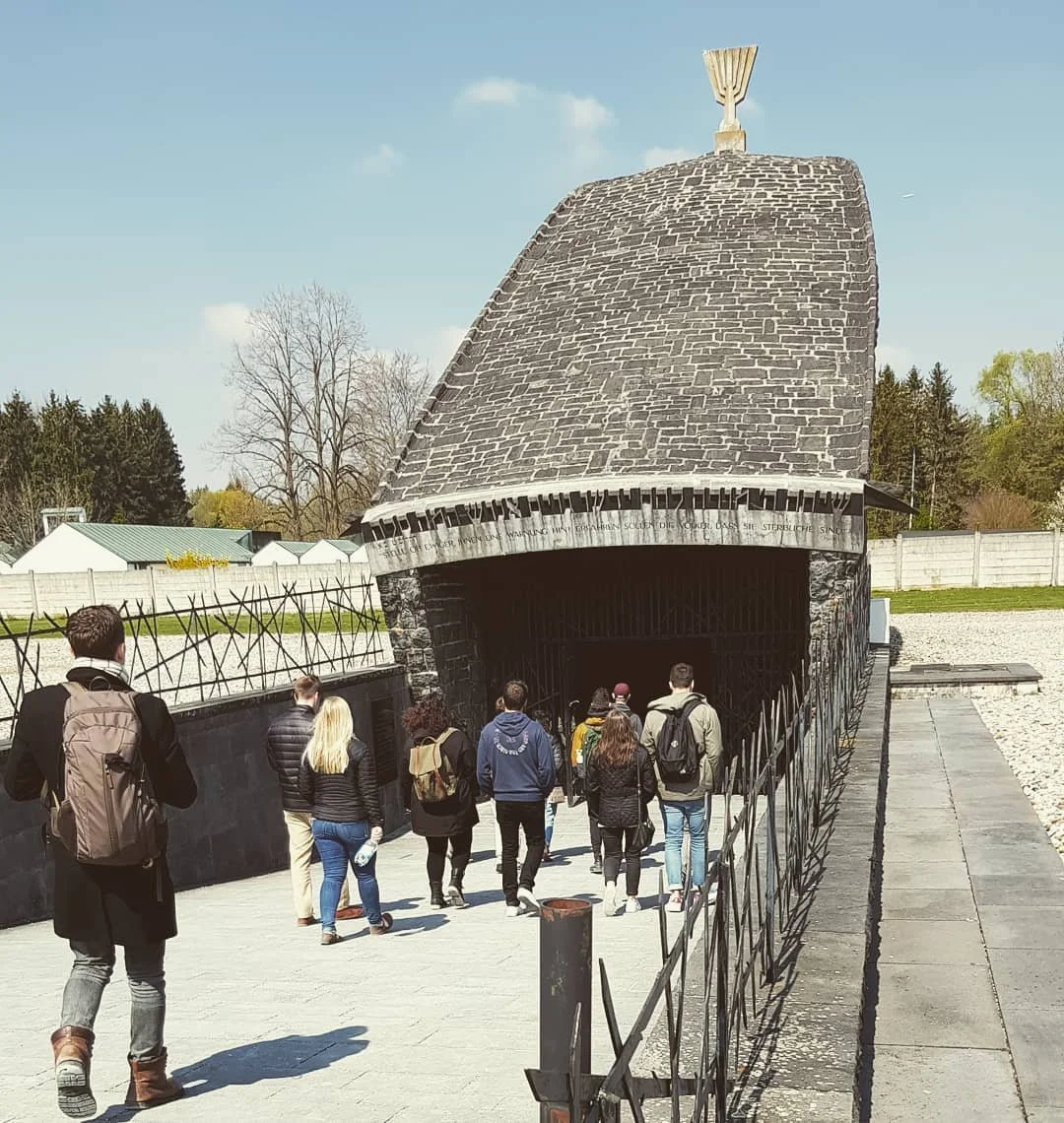
Religious memorial spaces

Stage 4: Reflection & Remembrance
Time is provided to explore the memorial independently, reflect, or revisit areas of personal interest.
Free exploration time within the memorial
Optional visit to the Memorial bookshop

Stage 5: Return to Munich
We conclude the visit by returning together to Munich.
Train journey back to Munich
Arrival at Karlsplatz
GUESTS REFLECTIONS
MEETING POINT
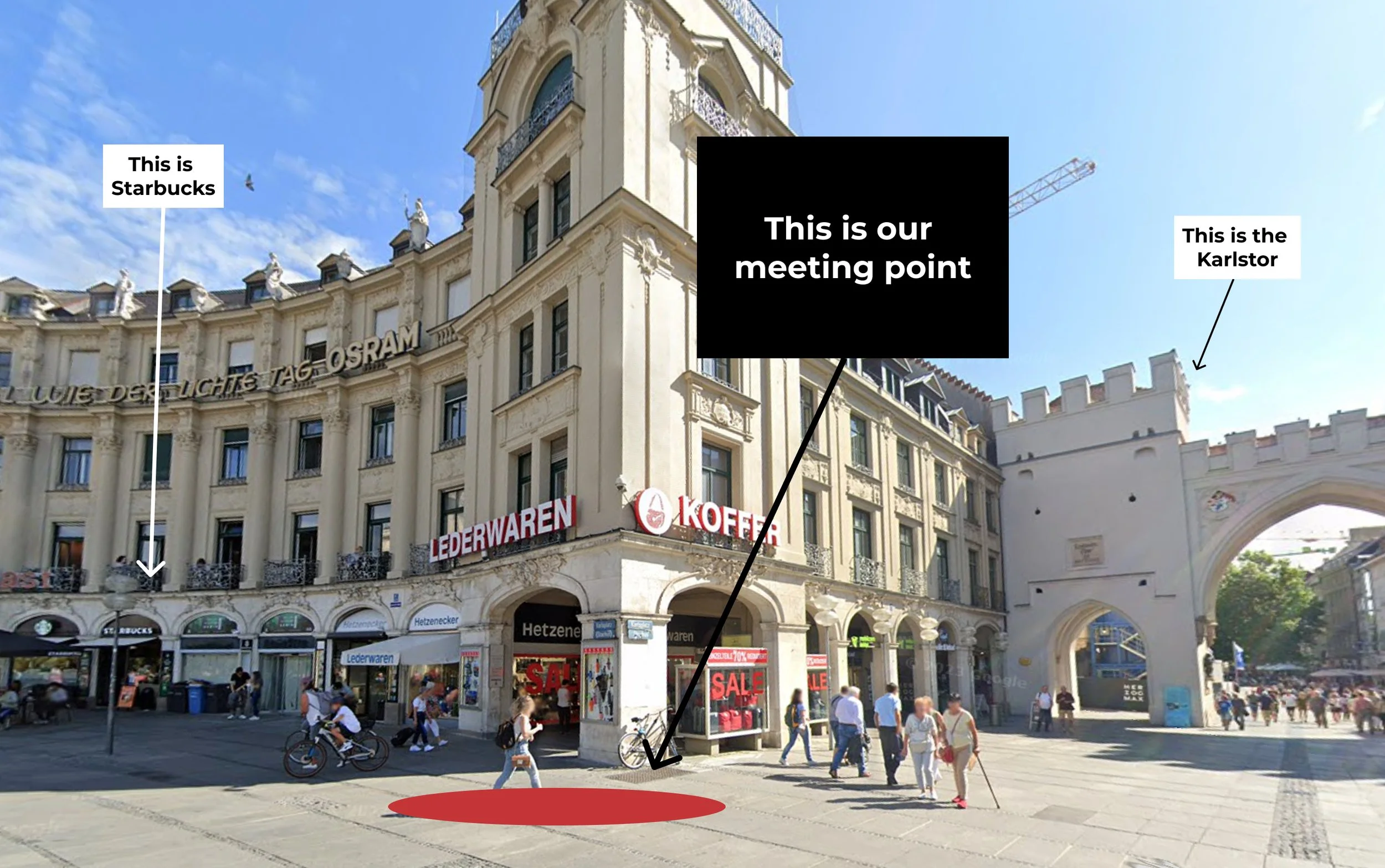
Karlsplatz (Stachus)
Karsplatz 8, 80335, Munich
Between Starbucks and McDonald's, just steps from the Karlstor gate.
How to find your guide
Meet directly in an area between Starbucks and McDonald's, facing the Karlstor gate
Your guide wears a blue name badge
Please arrive 10 minutes before departure for smooth check-in
Getting there
Karlsplatz (Stachus) Station
U-Bahn: U4, U5
S-Bahn: All main lines (S1–S8)
Trams: 16, 17, 18, 19, 20, 21
Exit the station toward Karlsplatz (Stachus).
PRACTICAL INFORMATION
What to wear
Comfortable walking shoes
Weather-appropriate clothing
Layers for wind or colder days
Modest attire recommended
What to bring
Water
Small snack
Camera (respectfully used)
Sunscreen (summer)
Umbrella (if rain is forecast)
Prohibited items
Any symbols, signs, clothing, or materials associated with extremist or totalitarian groups.
Any imagery or messaging that promotes hatred, discrimination, or violence.
Accessibility
Much of the site has gravel paths, which may be difficult for visitors with mobility issues.
The Memorial Site provides wheelchairs and mobility scooters for loan (subject to availability).
Many, but not all, of the buildings have accessible entrances via ramps.
Accessible toilets are available in the visitor centre.
Please contact us in advance if you have mobility questions — we’re happy to advise
FREQUENTLY ASKED QUESTIONS
-
On our tour we take a train (20 mins) and bus (9 min) as it is the fastest and most comfortable way to get there.
-
No, eating is not allowed on the memorial grounds out of respect. Exceptions are made for medical conditions. There is a canteen at the visitor centre near the entrance. We return to Munich by about 1:30 pm, in time for lunch.
-
The tour runs rain or shine. Much of the site is outdoors, so please bring weather-appropriate clothing.
In the rare event of extreme weather, public transport disruption, or official site closure, the tour may be cancelled for safety reasons. In such cases, guests will be offered a full refund or the option to reschedule.
-
The Memorial Site is large and requires extended walking and standing. Most visitors find it manageable, but comfortable shoes are essential.
-
The minimum age for our tours is 13 years with no exceptions. The content is intense and covers disturbing historical material. Teenagers aged 13+ are welcome, and the tour is handled with appropriate sensitivity.
-
Absolutely. The content can be emotionally difficult. You're free to step outside, take breaks, or leave at any time. Your guide will check in with the group throughout.
-
Please arrive 10 minutes early. We depart promptly to catch our scheduled train and cannot delay departure for late arrivals.
If you are running late, contact us immediately using the number in your booking confirmation (WhatsApp or SMS preferred). Late guests may need to make their own way to the Dachau Memorial Site and meet us there.
PLAN YOUR VISIT TO DACHAU
Experience Dachau with accuracy, empathy, and expert guidance.
Questions before booking? See our FAQ or contact us.